
.pdh-page{max-width:1140px;margin:0 auto;font-family:inherit;color:#1a1a1a}
.pdh-page h1{font-size:2.2em;line-height:1.15;margin:.2em 0 .4em}
.pdh-page h2{font-size:1.6em;margin:1.6em 0 .5em}
.pdh-page h3{font-size:1.05em;margin:0 0 .2em}
.pdh-page p{line-height:1.65;margin:.5em 0 1em}
.pdh-cta-row{display:flex;gap:14px;flex-wrap:wrap;margin:1.2em 0}
.pdh-btn{display:inline-block;padding:13px 26px;border-radius:4px;font-weight:700;
text-decoration:none;background:#00007E;color:#fff!important;border:2px solid #00007E}
.pdh-btn.alt{background:#fff;color:#00007E!important}
.pdh-badge{display:inline-block;background:#eef2ff;border-left:4px solid #00007E;
padding:10px 16px;margin:.8em 0 1.2em;font-weight:600}
.pdh-grid{display:grid;grid-template-columns:repeat(auto-fill,minmax(200px,1fr));gap:18px;margin:1em 0}
.pdh-card{border:1px solid #e3e6ee;border-radius:6px;overflow:hidden;display:flex;flex-direction:column}
.pdh-card img{width:100%;height:150px;object-fit:cover;display:block}
.pdh-card .pad{padding:12px 14px 14px}
.pdh-card p{font-size:.88em;margin:.2em 0 0;line-height:1.45}
table.pdh-table{width:100%;border-collapse:collapse;margin:1em 0;font-size:.96em}
table.pdh-table th{background:#00007E;color:#fff;text-align:left;padding:10px 12px}
table.pdh-table td{border:1px solid #dfe3ec;padding:9px 12px;vertical-align:top}
table.pdh-table tr:nth-child(even) td{background:#f6f7fb}
.pdh-steps{counter-reset:step;list-style:none;padding:0;margin:1em 0}
.pdh-steps li{counter-increment:step;position:relative;padding:0 0 1.1em 3.2em}
.pdh-steps li::before{content:counter(step);position:absolute;left:0;top:0;width:2em;height:2em;
background:#00007E;color:#fff;border-radius:50%;text-align:center;line-height:2em;font-weight:700}
.pdh-faq details{border:1px solid #e3e6ee;border-radius:6px;margin-bottom:10px;padding:12px 16px}
.pdh-faq summary{font-weight:700;cursor:pointer}
.pdh-faq details p{margin:.6em 0 0}
.pdh-nap{background:#f6f7fb;border-radius:6px;padding:18px 22px;margin-top:1.5em}
@media (max-width:600px){.pdh-page h1{font-size:1.7em}}
Prime Door supplies commercial door hinges the way contractors and facilities
teams actually buy them: specified by door weight and traffic level, prepped to your schedule, and
shipped with the frames and hardware for the opening. From our Youngstown, Ohio shop we’ve spent
25+ years matching hinges to the doors they carry – so openings pass inspection and stay quiet
for years.
Ordering frames too? Hardware prep happens in the same shop – hinges arrive
templated to your frames, including Fast Frames fabricated same or next day on standard sizes.
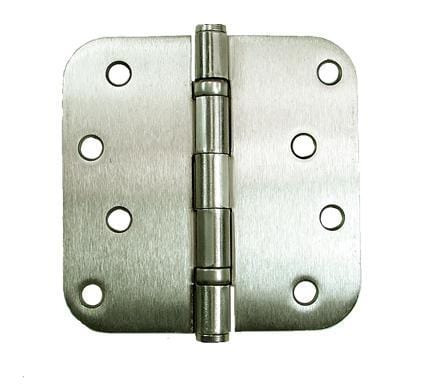
The workhorse for high-traffic doors – smooth, quiet, long cycle life.
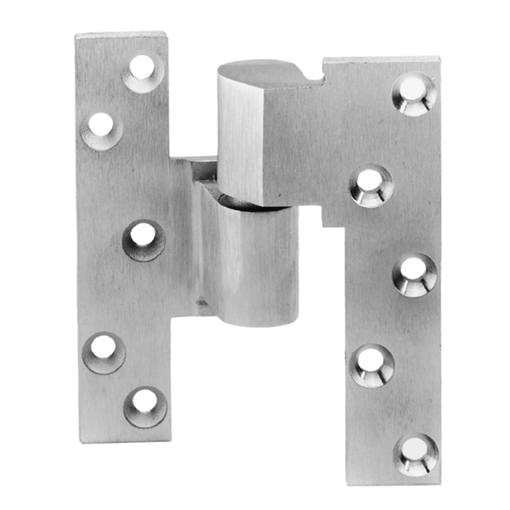
Thicker leaves and bearings for heavy doors and abusive environments.
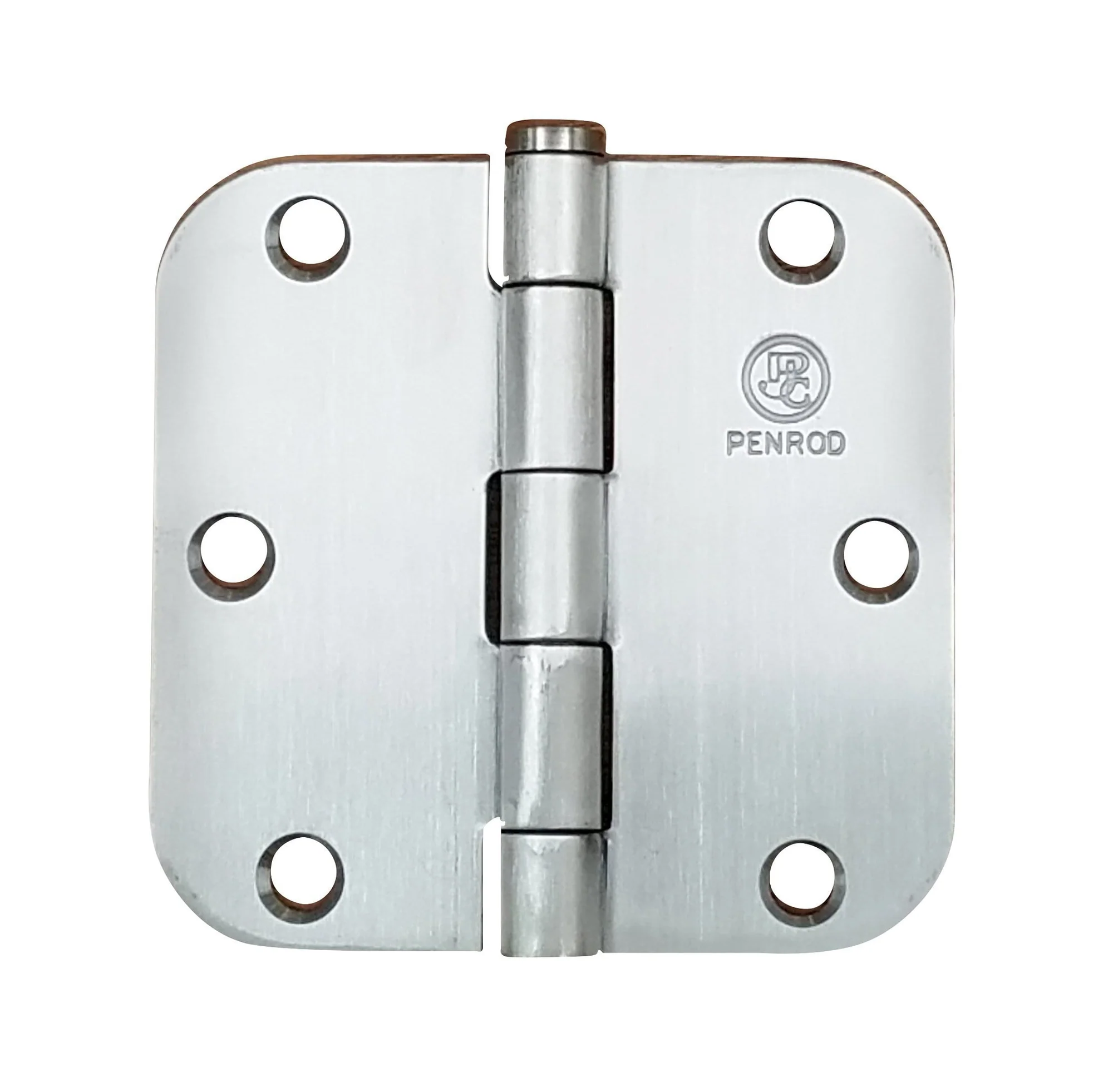
Economical choice for light, low-traffic interior openings.
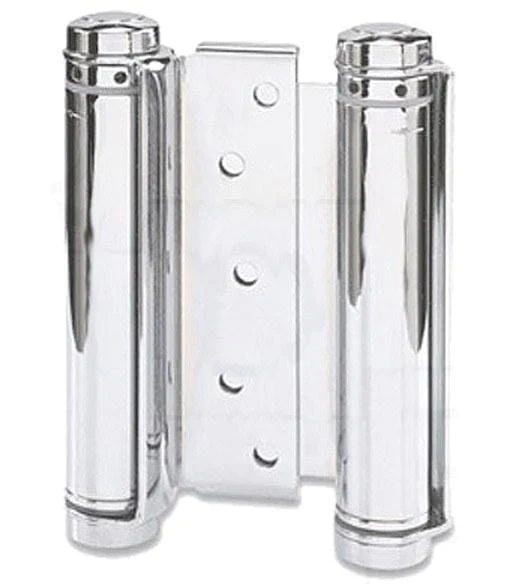
Self-closing action in single- or double-acting versions for lighter doors.
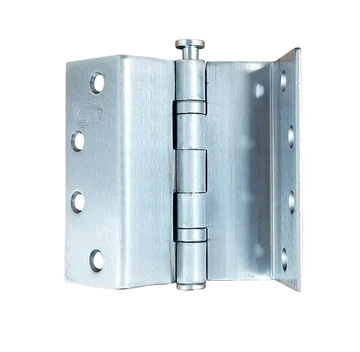
Swings the door clear of the opening – full-width passage for ADA corridors.
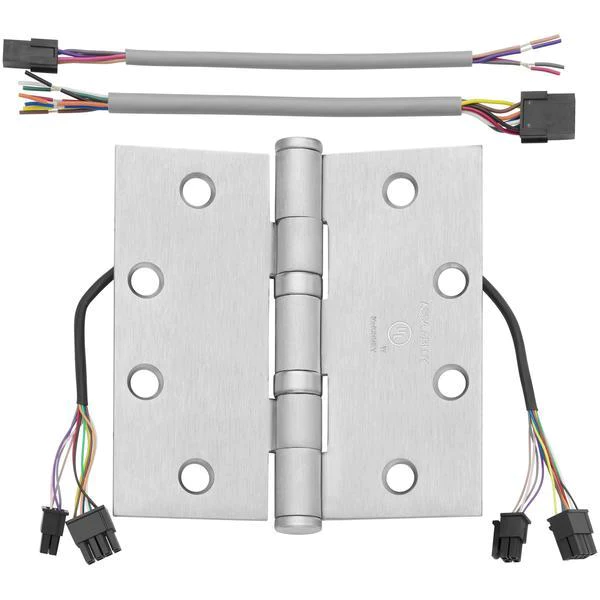
Transfers power to the door for electric strikes and locks – access control ready.

Lifts the door as it opens – clears thresholds and engages perimeter seals.
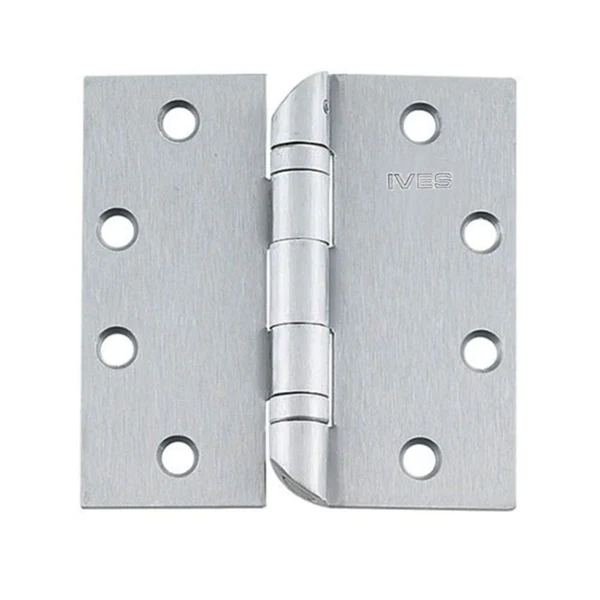
Sloped anti-ligature tip for behavioral-health and patient-room doors.
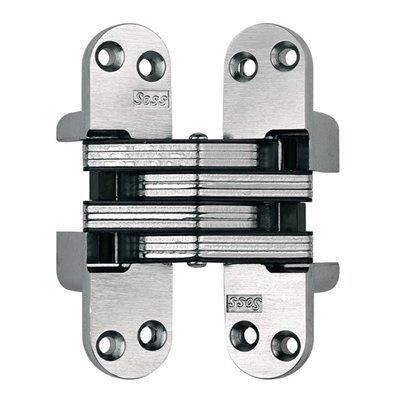
Fully concealed when closed – clean sightlines for architectural interiors.
The most common hinge failure we see isn’t a bad hinge – it’s a light hinge on a heavy or
high-traffic door. Typical guidance:
| Door weight / usage | Recommended hinge | Why |
|---|---|---|
| Light interior doors, low traffic | Plain or standard ball bearing | Cost-effective where cycles are low |
| Standard commercial doors, daily traffic | Ball bearing, 3 per door | Bearings carry the load without squeal or sag |
| Heavy doors (~150 lb and up) or high-abuse areas | Heavy-duty ball bearing (BHMA A156.1 Grade 1) or continuous hinge | Grade 1 cycle rating; continuous hinges spread weight along the full door edge |
| Very heavy or tall doors, pivot-friendly frames | Pivot set | Weight transfers to the floor, not the jamb |
| Fire-rated openings | Listed steel hinges per NFPA 80 | Only listed hardware keeps the assembly’s label intact |
| Openings with access control | Electrified hinge | Clean power transfer to strikes/locks – no exposed loops |
Send the door schedule with your quote request and we spec the hinge per opening – weight,
traffic, fire rating, finish and handing – as part of the quote, not as an add-on. That’s how
we’ve supplied commercial door hinges across Ohio for over two decades. Guidance
consistent with DHI
standards.
Honestly – at 160 lb, a spring hinge alone is usually the wrong tool. That weight belongs on
heavy-duty ball bearing hinges (or a continuous hinge) paired with a properly sized door closer
for closing force. Spring hinges earn their place on lighter doors and double-acting openings.
Tell us the door weight and use, and we’ll spec the combination with your quote.
Three is standard on full-size commercial doors; four on very heavy or tall doors. Fire-rated
assemblies and heavy doors may also require specific hinge spacing – we confirm it per opening
when we quote.
Yes, with the right product: fire-rated openings require listed steel hinges under NFPA 80.
We supply listed hinges as part of rated door, frame and hardware packages so the assembly keeps
its label.
Yes – electrified hinges transfer power from frame to door for electric strikes, locks and
readers. Pair them with our
access control systems
work for a complete opening.
Ball bearing hinges carry the door on bearing races at discrete points; continuous (piano)
hinges run the full door height, spreading weight evenly. For high-abuse or very heavy doors,
continuous hinges outlast discrete hinges because there’s no single stress point.
Both. Order a box of replacement hinges, or hinges as part of a complete door, frame and
hardware package – see our commercial
door hardware range and the hospital
hardware line for healthcare openings.
6620 Market St, Youngstown, OH 44512 · (330) 754-2225
Monday – Friday, 7:30 AM – 4:00 PM · Commercial door hinges, frames and hardware, prepped to your schedule
{
“@context”: “https://schema.org”,
“@type”: “FAQPage”,
“mainEntity”: [
{“@type”: “Question”, “name”: “What spring hinge do I need for a 160 lb door?”,
“acceptedAnswer”: {“@type”: “Answer”, “text”: “At 160 lb, a spring hinge alone is usually the wrong tool. That weight belongs on heavy-duty ball bearing hinges (or a continuous hinge) paired with a properly sized door closer for closing force. Spring hinges earn their place on lighter doors and double-acting openings. Tell us the door weight and use, and we’ll spec the combination with your quote.”}},
{“@type”: “Question”, “name”: “How many hinges does a commercial door need?”,
“acceptedAnswer”: {“@type”: “Answer”, “text”: “Three is standard on full-size commercial doors; four on very heavy or tall doors. Fire-rated assemblies and heavy doors may also require specific hinge spacing – we confirm it per opening when we quote.”}},
{“@type”: “Question”, “name”: “Can I use these hinges on a fire-rated door?”,
“acceptedAnswer”: {“@type”: “Answer”, “text”: “Yes, with the right product: fire-rated openings require listed steel hinges under NFPA 80. We supply listed hinges as part of rated door, frame and hardware packages so the assembly keeps its label.”}},
{“@type”: “Question”, “name”: “Do you carry hinges for access control doors?”,
“acceptedAnswer”: {“@type”: “Answer”, “text”: “Yes – electrified hinges transfer power from frame to door for electric strikes, locks and readers, and pair with access control systems for a complete opening.”}},
{“@type”: “Question”, “name”: “What’s the difference between ball bearing and continuous hinges?”,
“acceptedAnswer”: {“@type”: “Answer”, “text”: “Ball bearing hinges carry the door on bearing races at discrete points; continuous (piano) hinges run the full door height, spreading weight evenly. For high-abuse or very heavy doors, continuous hinges outlast discrete hinges because there’s no single stress point.”}},
{“@type”: “Question”, “name”: “Do you sell hinges only, or full hardware packages?”,
“acceptedAnswer”: {“@type”: “Answer”, “text”: “Both. Order a box of replacement hinges, or hinges as part of a complete door, frame and hardware package.”}}
]
}